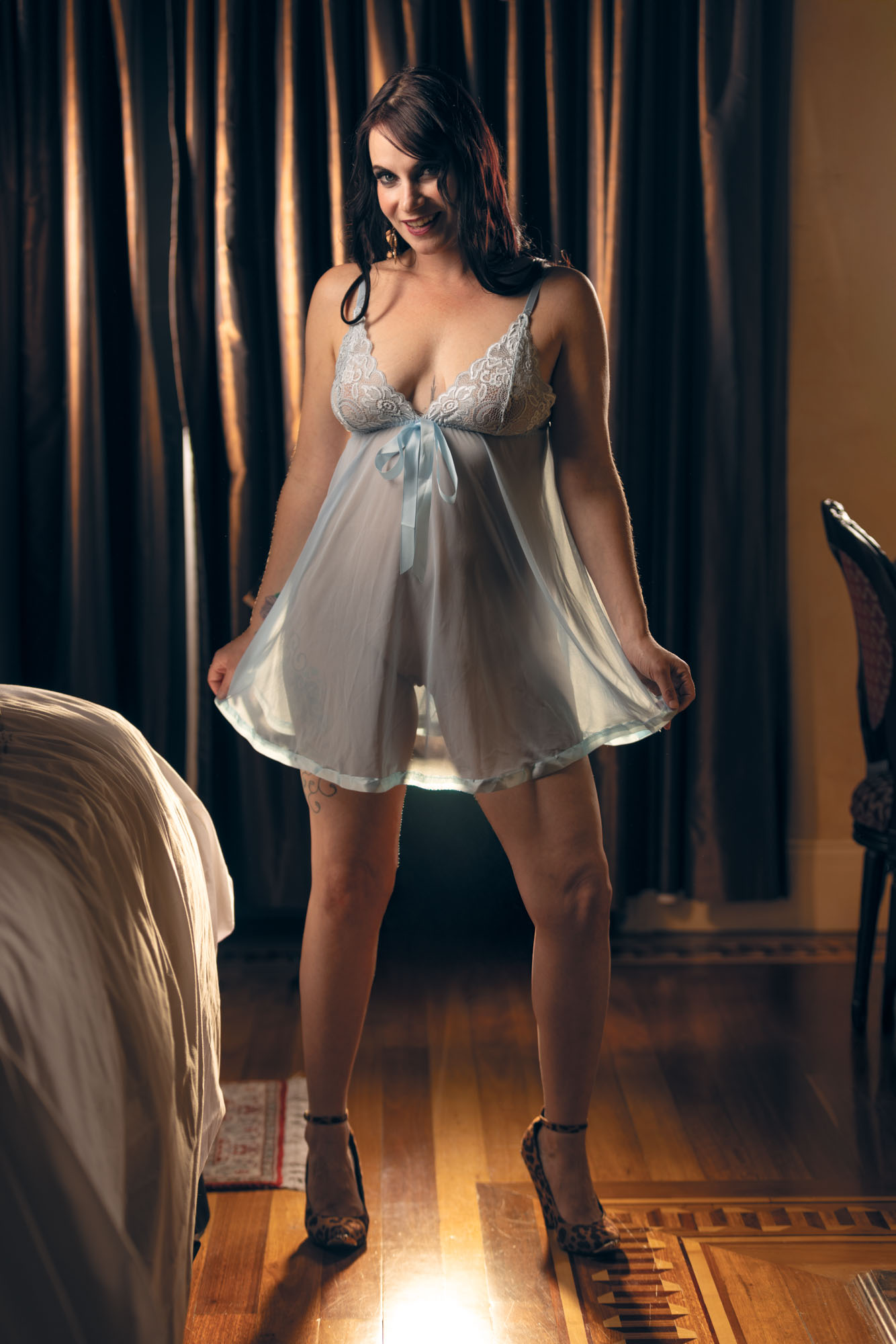
What Makes a Good Boudoir Photo?

A good boudoir photo is graded on five essential elements:
- Location: Choosing the perfect setting for the subject, which influences lighting, posing, and helps tell a visual story.
- Lighting: How light falls on the face and body to add depth, highlight best features, and create the desired mood.
- Composition: Framing the shot, posing, and styling choices that bring everything together into a balanced, flattering image.
- Technical Settings: Camera settings that ensure proper exposure and deliver a natural, high-quality look straight from the camera.
- Emotion: Genuine facial expressions and body language that convey confidence, personality, and real impact.
If any of these elements are lacking, the photo is rejected. The final set I use to design my clients boudoir albums contain strong examples of all of these elements.
The key is understanding the fundamentals of what makes a good boudoir photo. Once you understand the things to look for, you can spot the truly great shots from the session to include in your collection.
Key Takeaways
- Every strong boudoir photo has five core elements: location, lighting, composition, technical settings, and emotion.
- If even one of those elements is weak, the photo won’t have what makes a good boudoir photo.
- I use this checklist during every session to troubleshoot and fine-tune each shot.
- This process helps me stay consistent and intentional—no guesswork, just good photography.
- My goal is to create images you’ll love now and 20 years from now. That only happens when all five elements align.
Location
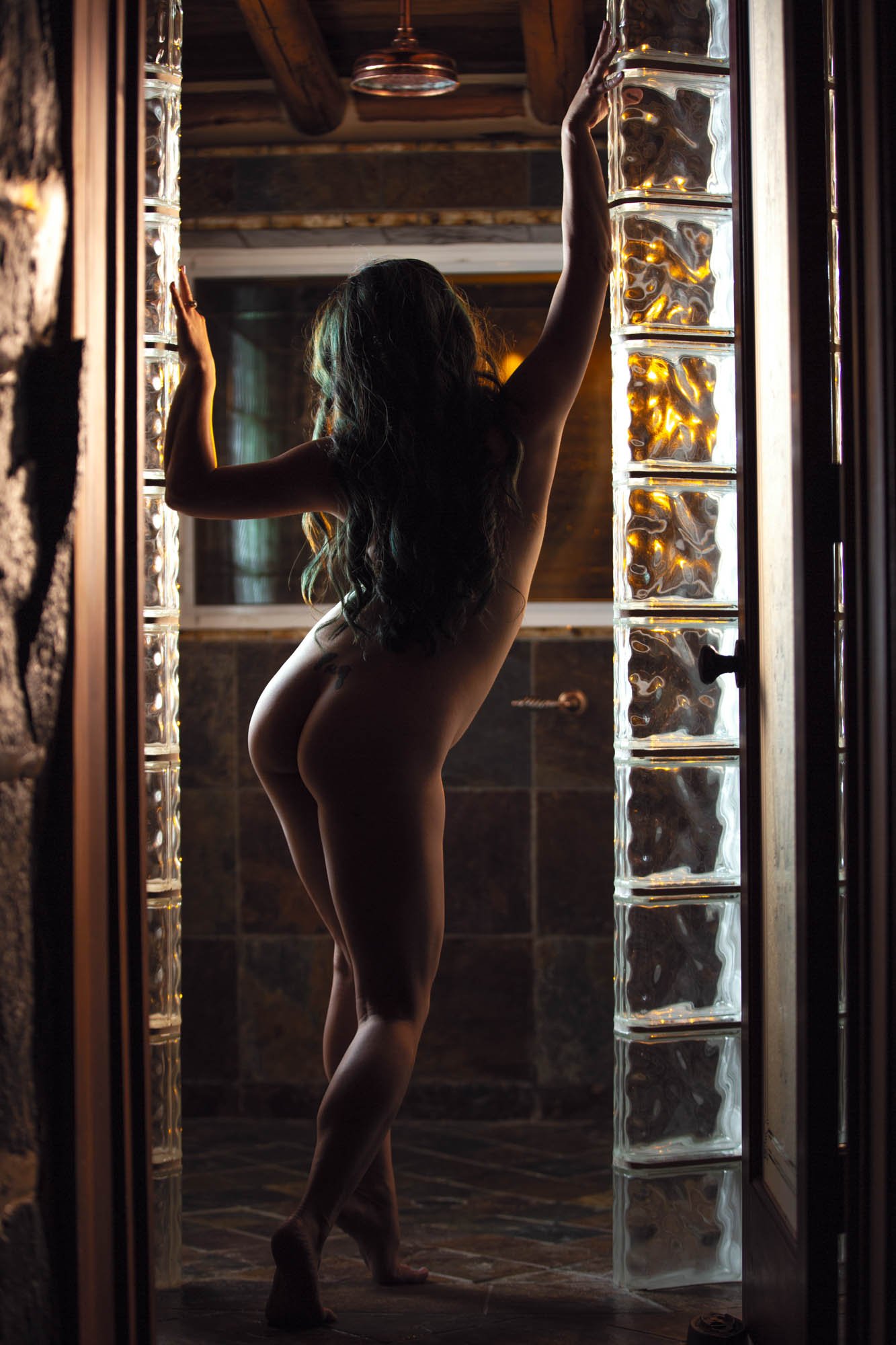
I always start directing my boudoir photos by deciding where I want my subject to be. Once I have the location, I can frame the shot and build in the other key elements.
The location influences many aspects of the photo, like lighting and posing. For example, the way I pose my subject might change depending on the setting. For me, choosing is where to photograph my subject is a great starting point that helps guide decisions about the rest of the image.
Sometimes, I choose a location because of interesting ambient light on the floor or wall. When that happens, I position my subject within that light to create something unique.
Other times, I use elements in the background (like furniture or lights) to add context and help tell a story.
A boudoir photo can be taken against a simple white wall in a client’s home or in front of an elegant window at a luxury hotel.
The approach is the same in all cases. Select the best background or area with exceptional natural light and start working there.
Lighting
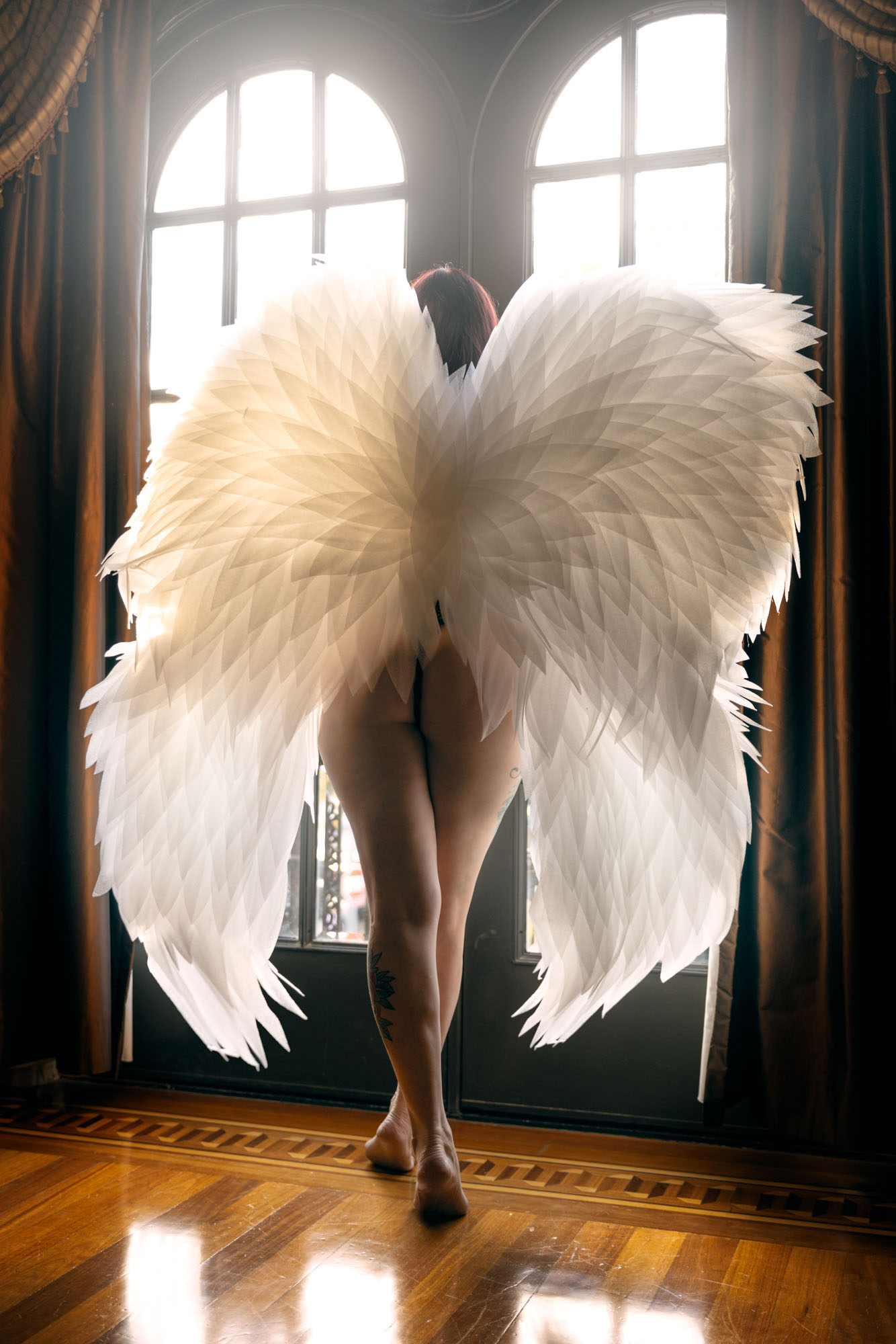
Lighting is one of the most important elements of what makes a good boudoir photo. The way light falls across your face and body adds depth, highlights your best features, and can even minimize areas you might be self-conscious about.
Different lighting styles create different moods, from soft and romantic to bold and dramatic. Here are the main lighting techniques I use to shape the look of your photos:
Common Face Lighting Patterns
- Paramount Lighting – Light is placed directly in front and above, casting a small shadow under the nose. Often used for a glamorous, high-fashion look.
- Split Lighting – One side of the face is lit while the other is in shadow, creating a bold, dramatic effect.
- Rembrandt Lighting – A small triangle of light appears under one eye, adding depth and a classic, timeless feel.
- Loop Lighting – Light is slightly to the side, creating a subtle shadow under the nose for a natural and flattering look.
- Beauty Lighting – Soft, even lighting from the front that minimizes shadows and smooths skin, ideal for a glowing, polished appearance.
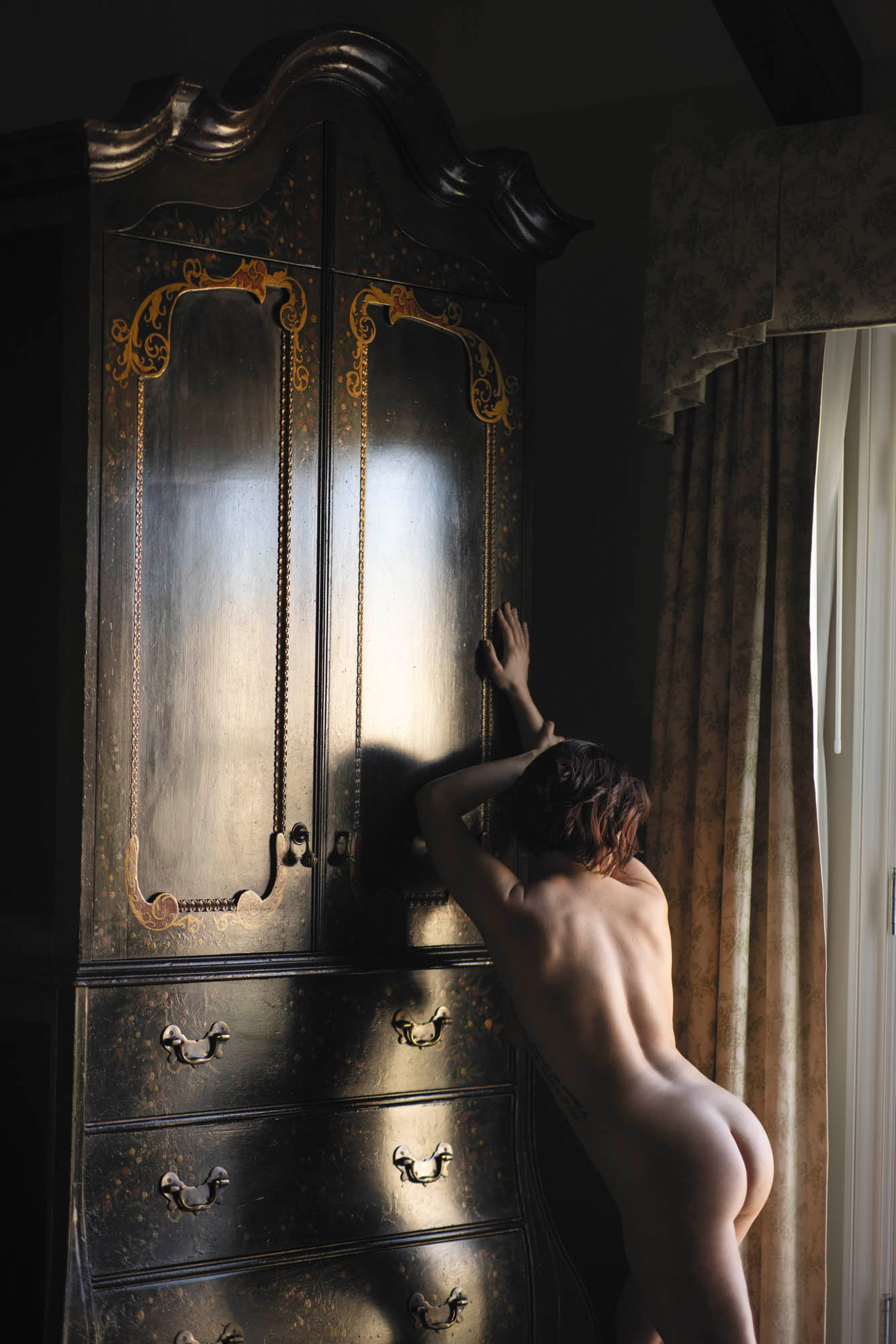
Additional Lighting Factors
- Perspective (Short vs. Broad Lighting)
- Short Lighting – The shadow side of the face is closest to the camera, creating depth and a slimming effect.
- Broad Lighting – The lit side of the face is closest to the camera, which can make the face appear fuller.
- Shadow Hardness
- Hard shadows create bold contrast with sharp edges.
- Soft shadows blend gradually, giving a more diffused and flattering effect.
- Dynamic Range
- High dynamic range balances highlights and shadows for natural-looking depth.
- Low dynamic range creates deep shadows and bright highlights, which can add drama but may lose details in extreme areas.
By carefully calibrating your boudoir photography lighting, I ensure each image is both flattering and artistic, leaving nothing to chance when bringing out the best in your photos.
Composition
Composition is what brings everything together in a boudoir photo. It includes how I frame each shot, the lens I use, your pose, and styling choices like lingerie. Every detail works together to create a balanced, flattering, and visually striking image.
Framing & Cropping
The way I frame and crop an image plays a huge role in how it looks. My rule is simple: if something in the frame doesn’t add to the image, I remove it—either by adjusting the angle or cropping it out. This ensures every shot highlights the best perspectives of you and the space around you.
Posing for Your Body
Small changes in positioning like tilting your hips or extending your legs can be the difference between an armature shot and what makes a good boudoir photo.
These little micro adjustments in pose are often the lynch pin that brings a shots together. This is especially true when posing women into hard light sources like the sun because smaller adjustments will have a more dramatic affect on the lighting.
Styling & Final Touches
Your outfit, hair, and makeup all contribute to the final look. I help you choose flattering lingerie and assist styling choices to match the mood of your session. Even simple props I find around me during the photo shoot, like a chair or a sheet, can add elegance and variety to your shoot.
Technical Settings
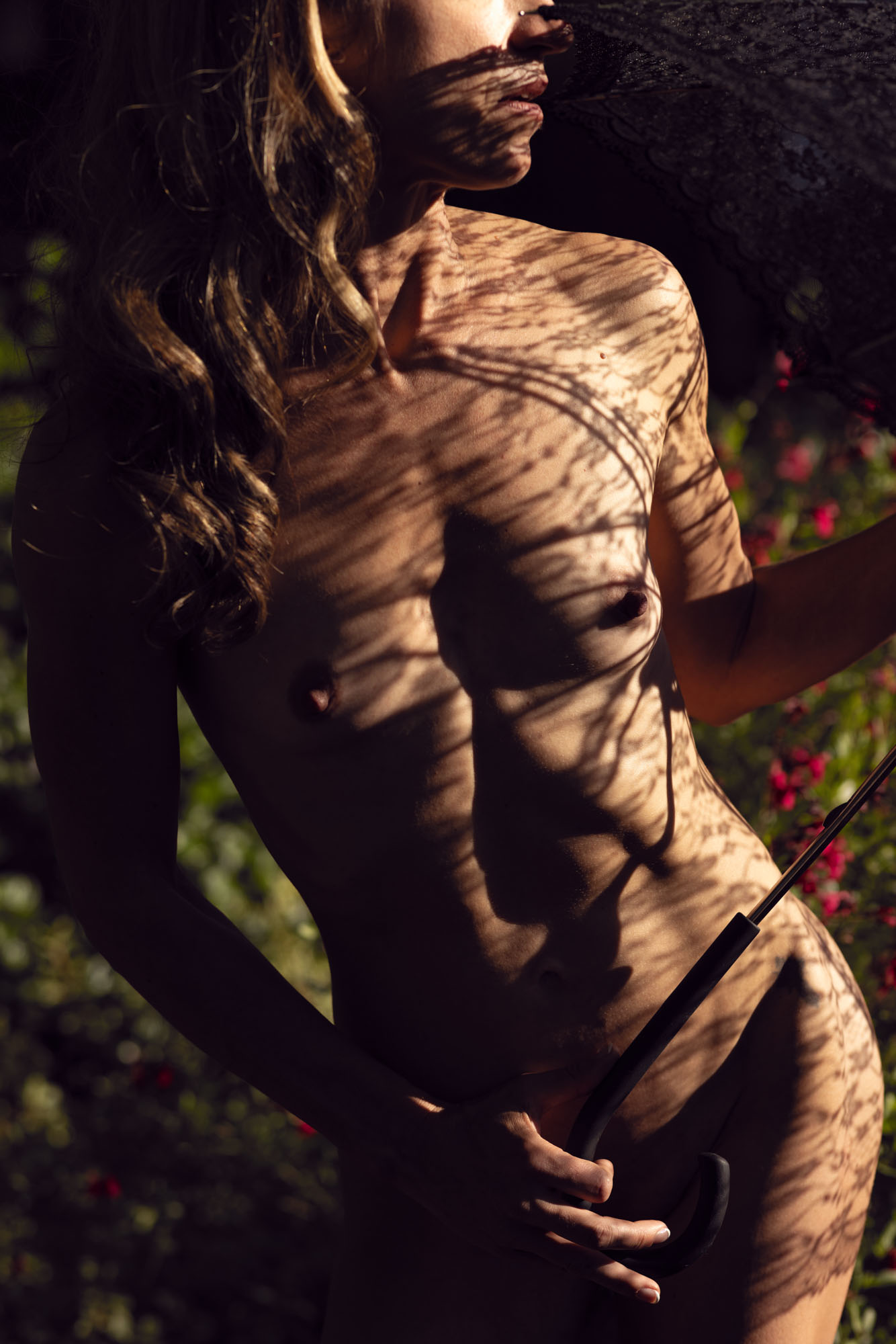
The boudoir camera settings I choose will ultimately determine how your photos look. You could have the perfect pose and expression, but if the image is over or under exposed, it won’t have what makes a good boudoir photo from a technical standpoint.
This is why I manually control my camera settings. It’s important to ensure every shot is properly exposed and consistent.
If you leave these decisions to you camera in AV or TV mode, you will get inconsistent looks as your camera chooses exposures for you.
Technical settings also include the things outside of your cameras menus like lens choice and lighting power.
By getting everything right in-camera, the final photos will require less editing and ultimately turn out better keeping your photos looking natural and timeless.
Emotion
Expression is the most important (and often the trickiest) part of a boudoir photo. You can have the perfect location, lighting, and pose, but if the expression feels off, the photo won’t have the same impact.
Body language and facial expressions communicate emotion and set the tone of the image. That’s why I guide you through every step, helping you relax and find natural, flattering expressions that feel authentic.
The right expression adds depth and personality to your photos, making them feel genuine and captivating. If an image looks great technically but lacks emotion, it won’t have what makes a good boudoir photo because the body language will feel disconnected.
My goal is to capture version of you that feels confident, beautiful, and completely authentic.
The right emotion brings everything together. If you’re not sure where to start, I’ve got a full guide on sexy facial expressions here to help you practice before your photo shoot.